
Fitness fashion has gone beyond shorts, leggings, and basic t-shirts. Today’s customers want their workout clothes to look fine outside their gyms as well. This transition presents several chances for businesses to update their stock with more useful, fashion-forward, and customized products.
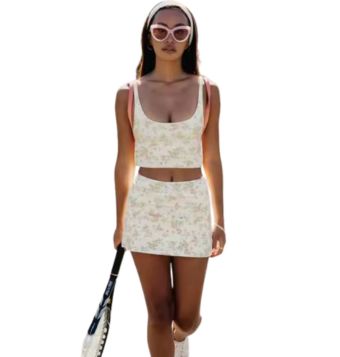
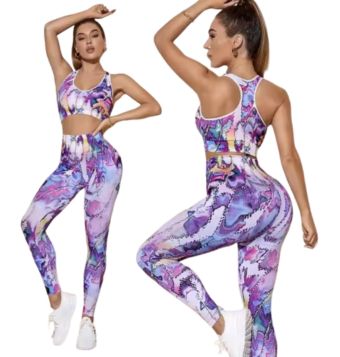
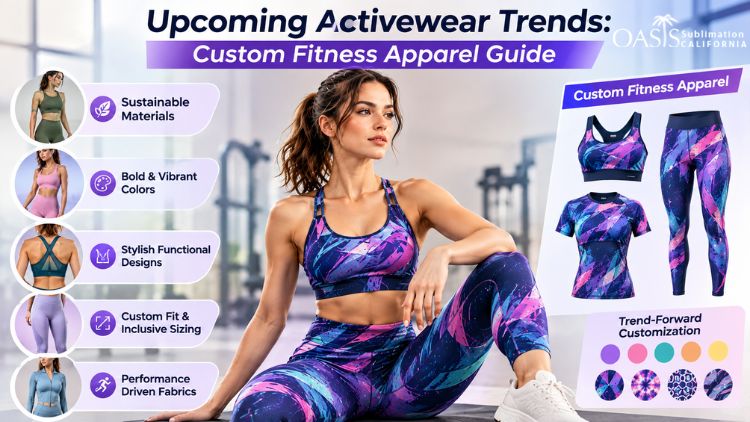
Matching fitness sets have become a popular choice since they remove the guesswork out of training attire. A matching sports bra with leggings, shorts with a crop top, or a fitted tank teamed with joggers can easily complete an outfit.
Sets provide businesses with an easy approach to creating different product combinations. While subtle logos, prints, or contrasting panels add more personality, solid colors give the feel of a minimalist collection.
Having range is the way to go.
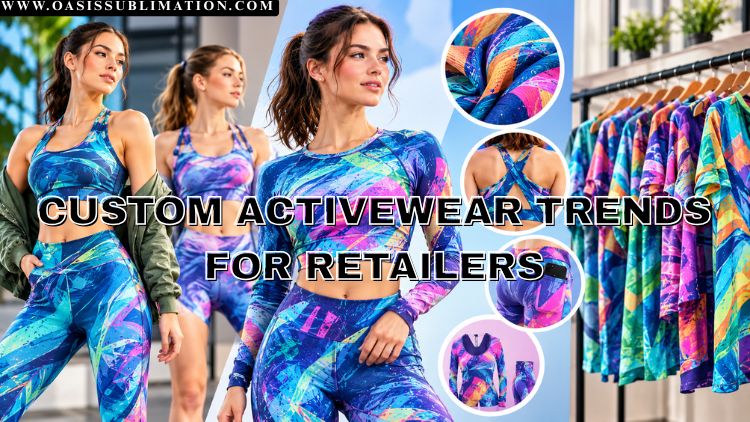
When customers purchase activewear, the first thing on their priority list is fabric choice. No one wants to work out in clothes that lose their shape after a few washes, trap sweat, or feel heavy at the end of a session.
Retailers ought to think about carrying items created with:
Four-way stretch is best used for producing fitted tops, shorts, sports bras, and leggings. Meanwhile, lightweight construction makes performance apparel comfier during longer training sessions.
Compression wear is not limited to sports anymore. Thanks to their streamlined look, compression shorts, tops, and leggings are easy to fit into daily activewear wardrobes.
Retailers need to explore various levels of silhouettes and compression instead of putting them all in one box. High-compression garments may appeal to performance-oriented buyers, but milder choices may be appropriate for customers seeking supportive everyday sportswear.
The possibility is in making technical gear more wearable rather than too specialized.
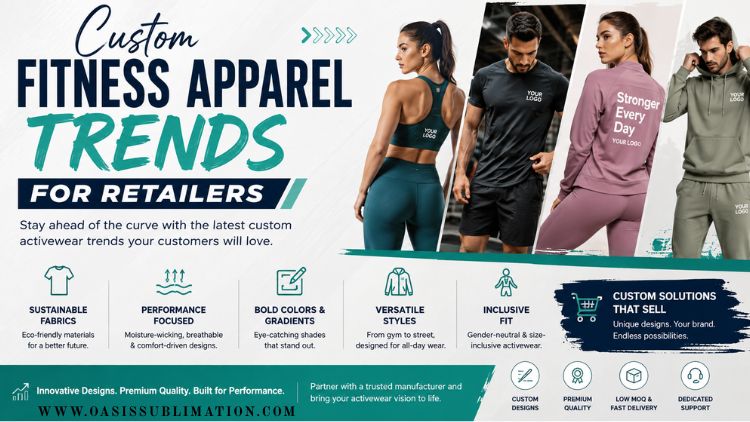
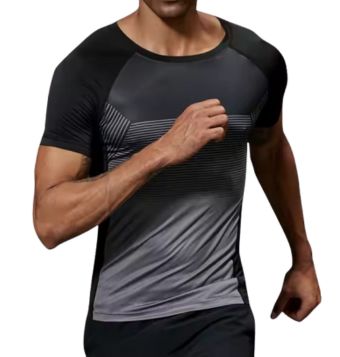
Some customers don’t like big designs, yet fully plain activewear might seem predictable. A combination of bold designs and modest detailing might be ideal for the next season.
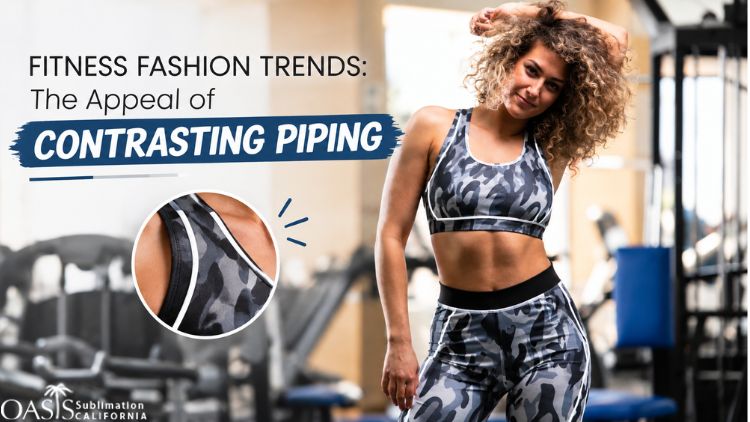
Geometric patterns, tonal graphics, contrast stitching, color blocking, and strategically placed panels may give classic silhouettes a new look.
Personalization adds another layer. Retailers may experiment with colors, designs, cuts, and branding features appropriate for their target market when they deal with custom fitness apparel wholesale suppliers.
The gym-to-street trend plays a huge role in how people today dress. Customers want their fitness clothing to work outside of the gym too, whether they’re traveling, running errands, or just grabbing coffee.
This makes adaptable items extremely useful to merchants. Oversized hoodies, casual joggers, fitted tanks, lightweight jackets, and attractive tracksuits may supplement traditional performance wear while broadening the entire assortment.
Neutral tints may provide a reliable basis, whilst seasonal colors and limited-edition patterns allow for more trend-driven releases.
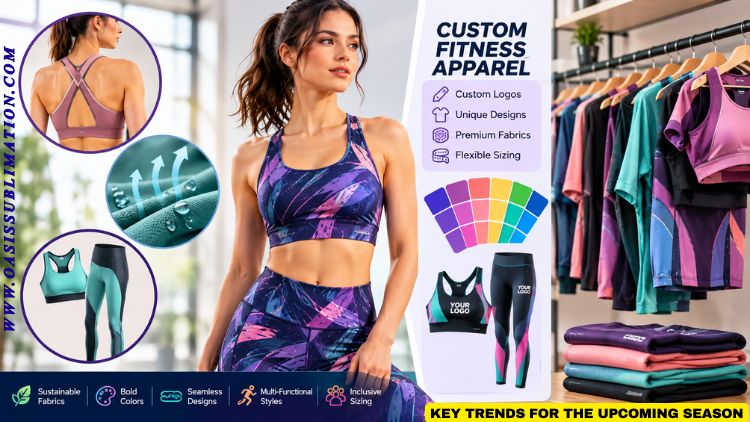
Sustainability continues to affect how customers perceive apparel. Retailers don’t need to overhaul their whole collection. Simply add ethically sourced options to make the product range feel fresh.
Depending on the performance requirements and intended product, go for either low-impact fabrics, organic cotton, recycled nylon, or recycled polyester.
The focus should be on the product’s genuine value. Sustainable fabrics work best when blended with practical design, comfort, and durability rather than being treated as a marketing gimmick.
Customization provides fitness manufacturers and retailers greater flexibility over how their collections look and feel. Rather than depending just on generic items, firms may create unique color palettes, printing, cutting, and branding features.
Businesses can look into culturally appropriate designs, customized production, and other garment requirements while creating a more identifiable collection by collaborating with a reputable Latin American fitness clothing manufacturer.
The best course of action for retailers and business owners is to collaborate with reputable suppliers and manufacturers that can transform new trends in sportswear into collections that are profitable.
September 17, 2026