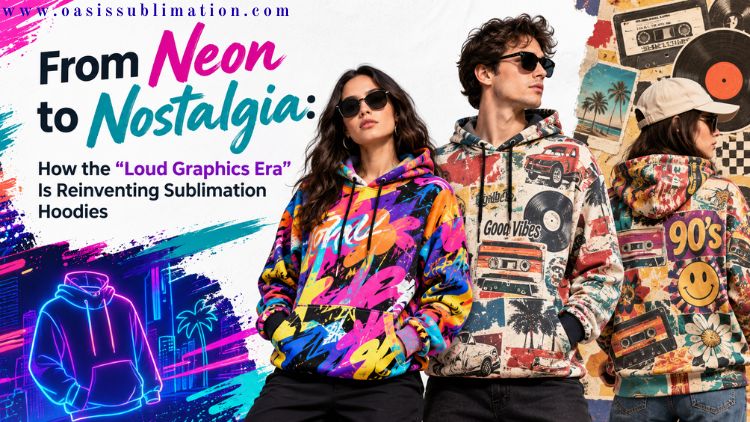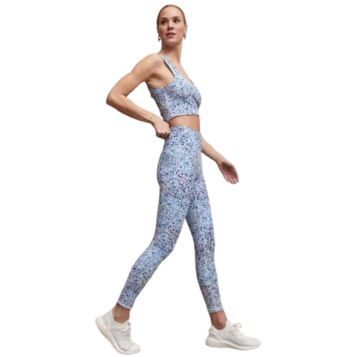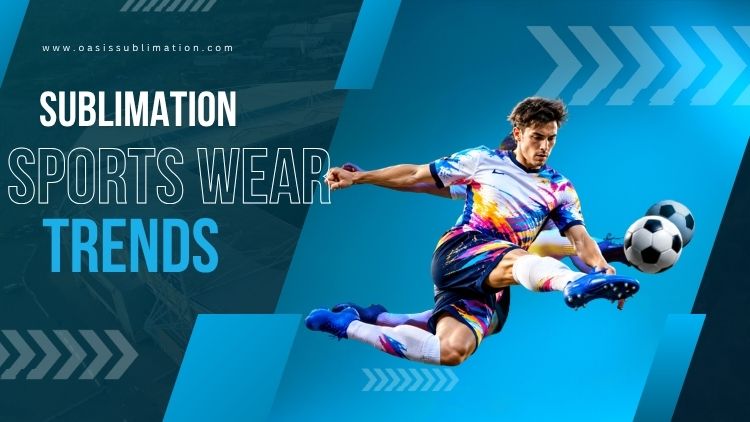
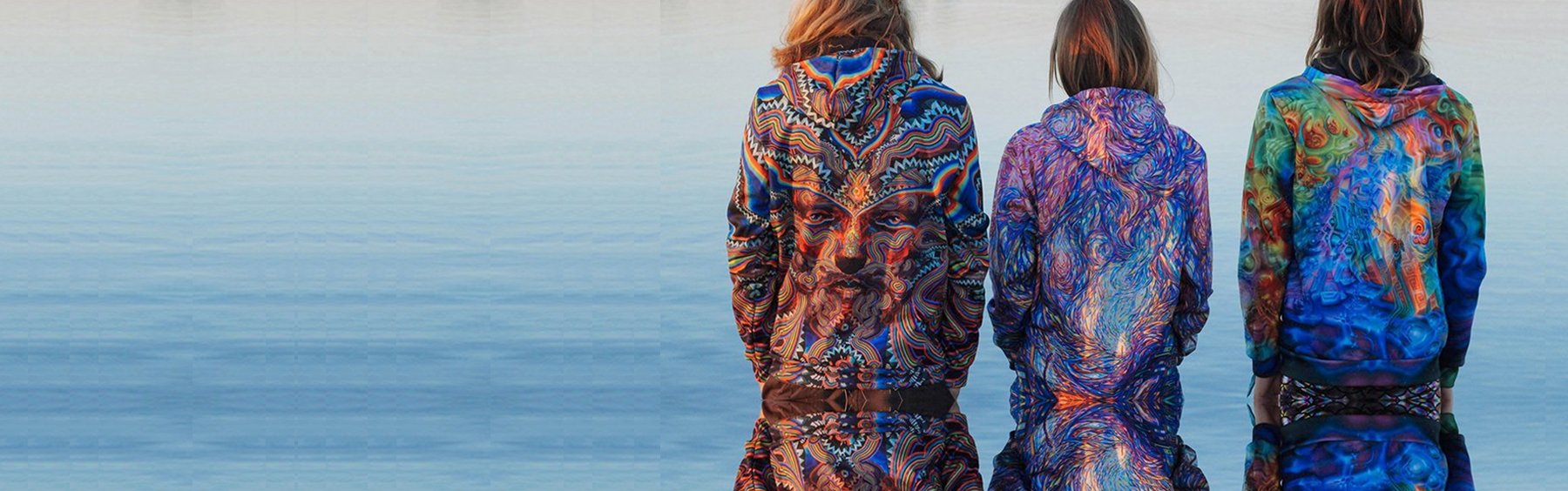
Today, when you look at the sublimation clothing market, you can see that some shifts have taken place. To begin with, almost every sublimation sportswear manufacturer is trying to transform athletic garments into a powerful visual branding platform.
In conventional printing process, graphics are printed atop fabric surfaces. Dye sublimation makes the color get permanently integrated with polyester fibers. Naturally, it is possible to create distinctive designs that stay put despite rough use of apparel. Find out how sublimation sportswear is now creating bold visual identities.
Designers are now trying to turn every inch into a visual canvas. In the traditional screen-printing process, graphics are often used only around specific areas such as the chest or back. In the sublimation printing process, there is no such limitation. The designs can cover entire fabric panels.
You can see the graphics extending across:
It is also easy to find patterns flowing around different panels. This helps to create a continuous visual effect. Due to this edge-to-edge capability, sublimated sportswear can be used as an immersive branding tool. A team or collection can easily be recognized from almost any angle.
Sports uniforms may need to accommodate:
In the traditional printing technique, when multiple layers are added, it can make the surface heavier. However, in the sublimation printing process, the dye is integrated into the fabric. It does not create a thick layer on top. Thus, wearers can enjoy the lightweight feel and flexibility of performance materials.
Therefore, manufacturers can experiment with intricate artwork, multiple logos, detailed patterns and elaborate visual compositions. At the same time, the performance apparel features are retained in the offerings of fitness clothing suppliers.
Sportswear can now be made more creative, thanks to the sublimation printing method. Using this technique, even highly detailed digital artwork can be reproduced on fabric.
Various forms of complex imagery can now be used. These can be a part of the visual identity of a garment.
Designers are now often using:
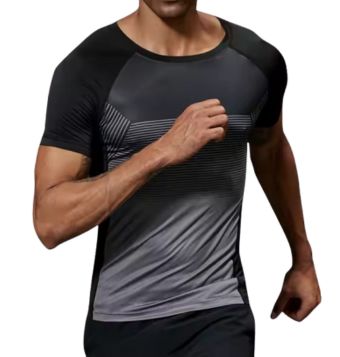
Smooth gradients can also offer a big advantage. Designers can shift between colors easily, without experiencing the harsh transitions that are sometimes associated with simpler printing methods.
For instance, neon color transitions can be used to create energetic designs. These can attract a lot of attention during workouts, competitions, photography and digital broadcasts.
A visual identity can serve only if it continues to be recognizable over a period. If graphics crack, peel or fade, these can make sportswear look worn out. It can make even a well-developed design language look dull.
With sublimation printing, it is possible to integrate colors into polyester fibers. Well-made sublimated apparel can effectively resist the everyday wear associated with training and competition.
Due to this durability, the technique is especially useful for brands and teams that need to maintain a consistent visual identity across repeated use and washing.
This is another major advantage. Rather than designing around a small number of screen-printing layers, you can see digital artwork being developed. These include many gradients, shades and visual effects.
Due to this reason, it is now possible to include:
Naturally, brands seeking a recognizable identity can have more creative freedom. There is no need to be content with a conventional, color-blocked uniform.
In the sublimation printing process, brands do not have to choose between either athletic functionality or appearance. When applied to suitable polyester performance fabrics, in a proper way, it is possible to preserve the lightweight and moisture-management features of the fabric. This makes it possible to develop garments where branding, graphics, comfort and performance can coexist together.
At a time when sportswear continues to blend streetwear, esports, fashion and everyday fitness culture, you can easily understand why sublimation lets designers come up with more distinctive garments. Choose the finest pieces from a manufacturer who understands the latest sportswear trends well enough. It can make your retail or private label collection instantly recognizable.