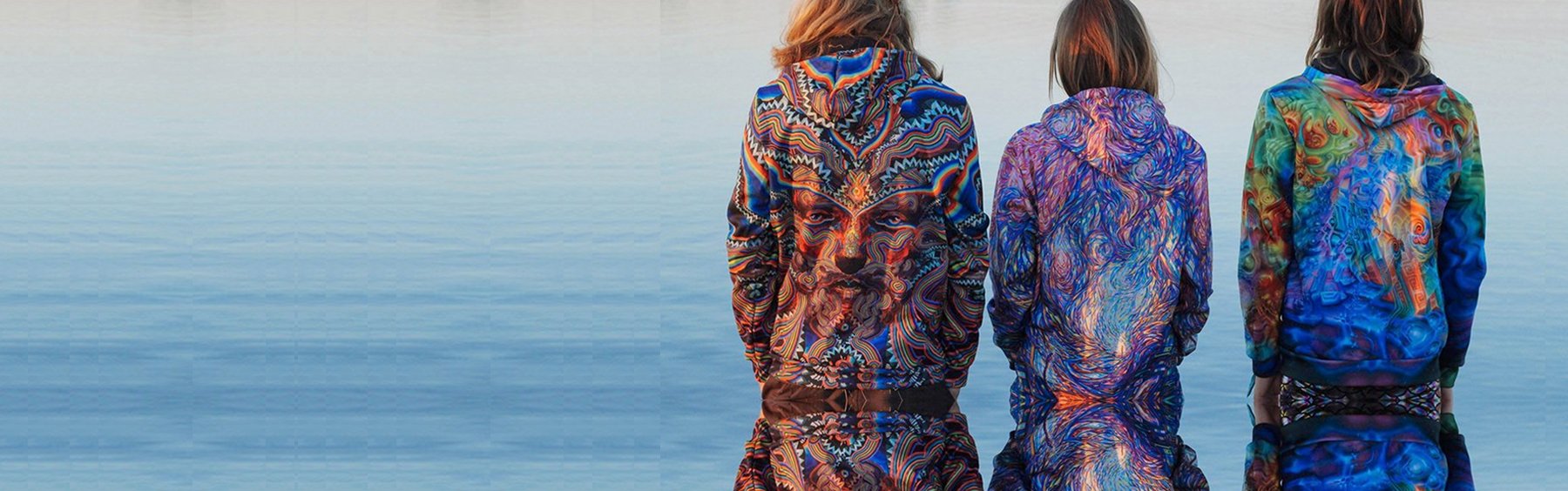
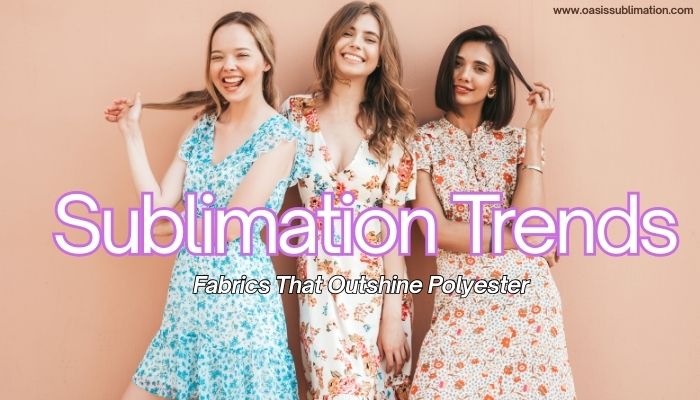
For decades, polyester has been the sovereign of sublimation printing—tantamount to long-lasting imprints, astute detailing, and valiant shades. Its quick-drying traits, exceptional dye affinity, and synthetic construction make it the go-to pick for sublimation, from promotional tees to activewear. But in 2025, the laws of the game are changing.
Helmed by comfort-focused shoppers, material innovation, and sustainability demands, a fresh class of sublimation-friendly materials is reshaping what’s feasible. On-demand sellers, brands, and designers are digging fabrics that not only take on explicit prints but also deliver on eco-conscious importance, stretch, and touch.
Polyester’s supremacy is not without justification. It continues to be a leading sublimation printing option due to:
Nevertheless, it’s not without blemishes. Virgin polyester can feel synthetic or rigid, primarily in sorts that prioritize true-to-life consistency or softness. This is where the advancements of 2025 are useful.

A greater emphasis on tactile feel and eco-friendly options has resulted in the development of sublimation-compatible fabrics. Here’s what’s redefining the print wear industry in 2025:
Produced from post-consumer plastic bottles, rPET is chemically identical to pure polyester but delivers a purer conscience. It bears the exact quick-drying performance, rich color retention, and high-definition imprints.
Why does it stand out: Blends eco-responsibility with a tried-and-tested sublimation marker—excellent for mindful buyers and sustainable fashion lines.
Generally featuring 15% spandex and 85% polyester, these mixes present flexibility, retrieval, and body-hugging stretch. They are becoming increasingly prevalent in performance clothing, swimsuits, and leggings.
Why does it stand out: Provides movement and comfort of the highest caliber for athletes without compromising the color of sublimated patterns.
These textiles, often found in 65/35 polyester-to-cotton ratios, have the soft feel of cotton while containing enough polyester for efficient sublimation. Some are chemically overlaid to enrich dye binding.
Why does it stand out: Delivers a more breathable, naturalistic feel—ideal for fashion-forward pools, graphic tees, and casual wear striving for a cotton-like consistency.
Composed from progressive poly mixes or ultra-fine polyester strands, these materials boast a silky, luxe finish while maintaining sublimation compatibility. They feel smooth on the skin, improve breathability, and wick moisture.
Why does it stand out: Merges high-end comfort with the durability and transparency of sublimation—an excellent pick for eloquent activewear or plushy loungewear.
From bamboo and cotton to hemp, raw fibers are being sampled with sublimation-compatible layers. Though always exploratory, they define a huge spring toward a more sustainable future for sublimation.
Why does it stand out: Brings the vision of sublimating on all-natural, biodegradable materials closer to retail viability.
Today’s consumer is looking for more than simply color; they want to feel comfortable. Fabric hand feel and surface aesthetics will be key purchasing motivations in 2025, and sublimation printing is evolving to satisfy this desire.
To remain relevant, sublimation clothes must look beyond performance and include tactility. The confluence of visual and sensual appeal is where businesses get a competitive advantage.
These innovative textiles are altering several fashion verticals:
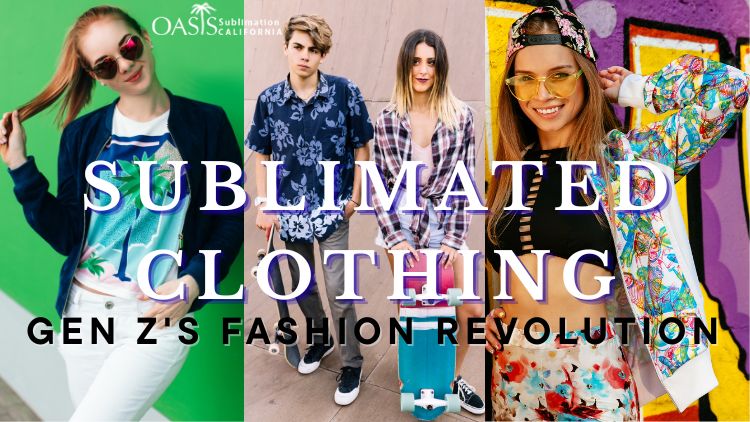
Sublimated clothing is now a fashionable, eco-friendly statement that isn’t only for uniforms and gym shirts.
The sublimation industry is at a critical juncture as of 2025. Although polyester remains in style, other options are available. Modern fabrics are demonstrating that companies may now have all three of these qualities without having to pick between print brightness, comfort, and eco-ethics.
Whether it’s an exploratory raw fiber or a recycled performance mix, the fate of sublimation lies in fabrics that align with both global commitment and customer wishes.
Business owners and retailers looking to stay ahead in fashion’s ripening terrain should probe these next-gen sublimation materials by sourcing straight from fabric-forward customized sublimation wear suppliers and ingenious manufacturers.