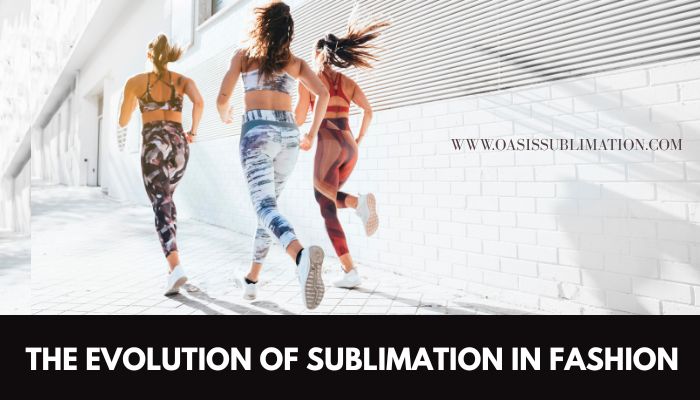
Sublimation printing was synonymous with the sports world for many years. Activewear, performance tees and custom team jerseys dominated the segment for a long time. These were praised for their functional appeal, color intensity and durability. However, there has been a big evolution in the domain.
In 2025, sublimation stepped out of the locker room and went onto the street, becoming a defining force in modern streetwear fashion. The transformation of sublimation printing from just a functional process to a creative powerhouse shows how much consumer demand has changed today. These days, buyers look for something more than performance; they need bold aesthetics, individuality and personal storytelling options through their apparels. Whether you are a fashion brand owner, a private label seller or a retailer, this shift can indicate a big opportunity for you.
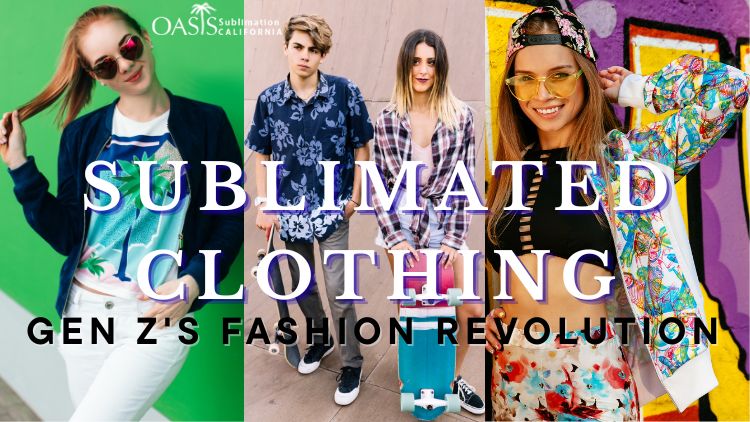
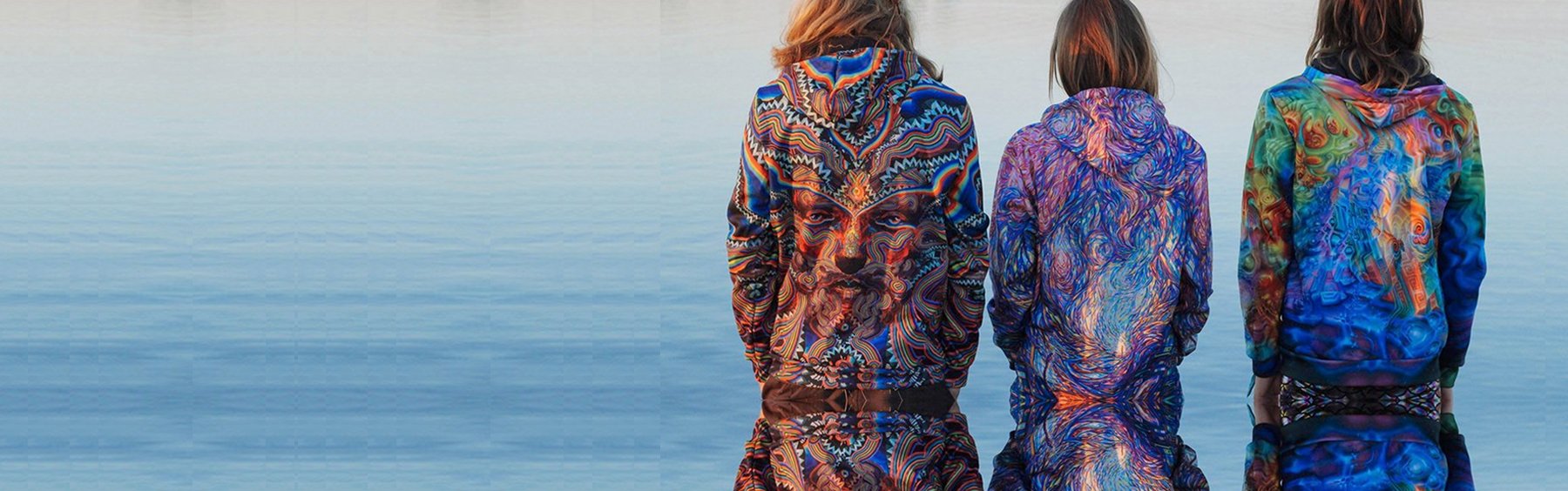
Streetwear designers are now using sublimation printing to create all-over, vivid prints that can reflect cultural attitude and self-expression. Photographic imagery, abstract art and even complex geometric patterns can cover every inch of apparels, right from the collar to the cuffs. Wearers can get garments that feel more like a moving canvas for them rather than a regular printed shirt.
The strength of sublimation printing lies in its unprecedented visual freedom. It is possible for designers to experiment with photorealistic effects, intricate graphics and an unlimited color range. This was impossible with traditional screen printing. It can help produce all-over designs, ensuring full coverage and seamless transitions. Buyers can get immersive visual experiences. Sublimation can help them to explore creativity without any limits, whether with a bomber jacket featuring landscape printing or a gradient hoodie fading from one shade to another.
Today, fashionable shoppers do not want to wear only something beautiful; they want to wear something personal too. And they can get this chance with sublimation printing. This digital process allows designers to produce on-demand designs, short runs and even one-off pieces without the high setup expenses associated with traditional techniques.
This has led to the rise of limited-edition culture and customization in streetwear. Brands can now offer limited-run collaborations, exclusive drops or even name-personalized apparels to consumers. Buyers can get a sense of individuality and ownership. Brands can build hype, loyalty and urgency.
Millennials and Gen Z are looking for exclusivity and authenticity in the apparels that they buy for themselves. Naturally, sublimation has become the foundation for micro-collection fashion. Retailers can adapt to the latest trends quickly, minimize overstock risks and release capsule collections in just a period of days rather than months.
Sublimation printing is compatible with print-on-demand models. It also aligns with modern eCommerce strategies. Local artists, influencers and small brands can launch their own lines with no bulk production investment. It democratizes the fashion manufacturing process, making it flexible, fast and inclusive.
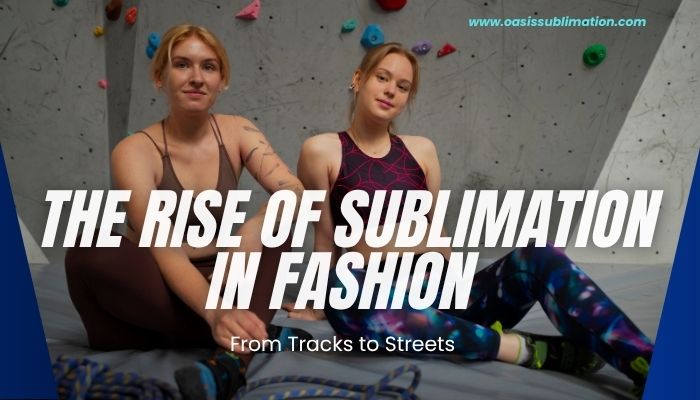
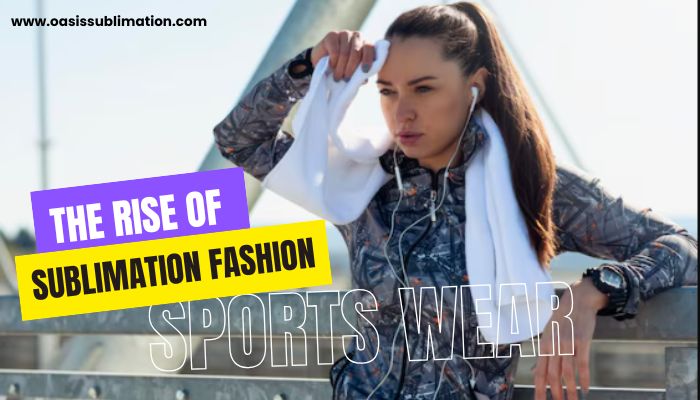
In the modern hybrid fashion landscape, the roots of sublimation printing in sportswear have given it a unique advantage. The same moisture-wicking polyester blends that ensure the comfort of athletes on the field now appeal to buyers who are leading mobile, active lifestyles.
These days, you can find streetwear coming with a blend of high fashion aesthetics and athletic apparel functionality. Sublimated fabrics are durable, breathable and soft – qualities that align with the athleisure trend perfectly. As compared to screen printed apparels, sublimated designs do not add additional ink layers that can crack or trap heat overtime. Rather, the dyes become a part of the fabric itself, ensuring durability and comfort.
Due to the fusion of lifestyle and performance, sublimation is not only a visual upgrade; it is also a technical upgrade. Streetwear shoppers expecting both style and comfort can find exactly that in sublimated garments.
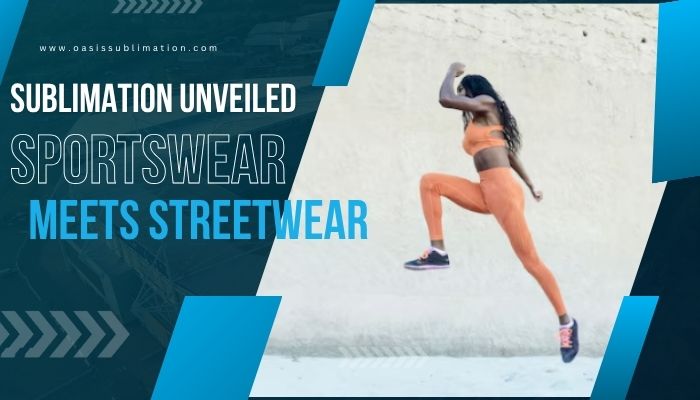
Streetwear brands can use sublimation across a wide variety of garments, whether it comes to windbreakers, leggings, joggers, hoodies or even outerwear. Designers can print intricate, photorealistic graphics and have more creative control over entire product lines. They can ensure visual impact and cohesive branding.
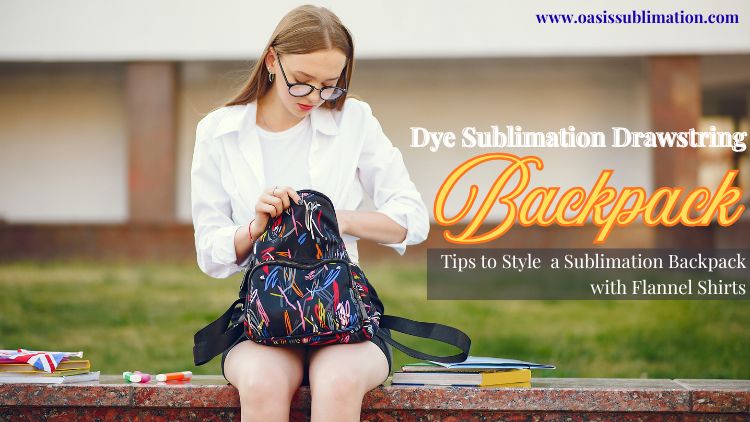
The reach of sublimation printing does not end only with clothing items. You can also find accessories like mouse pads, backpacks, tote bags and even home décor items carrying the same expressive energy that was once limited to only sports apparels. Headwear, including beanies and caps with all-over designs, has become a popular extension of the streetwear identity. You can find this even in the footwear segment, as slip-ons and lightweight sneakers are standing out with unique, sublimated graphics.
Due to this cross-category expansion, brands can now create a complete lifestyle aesthetic. It can be easy to transform a simple logo into a visual language that resonates with consumers who can wear and live with it.
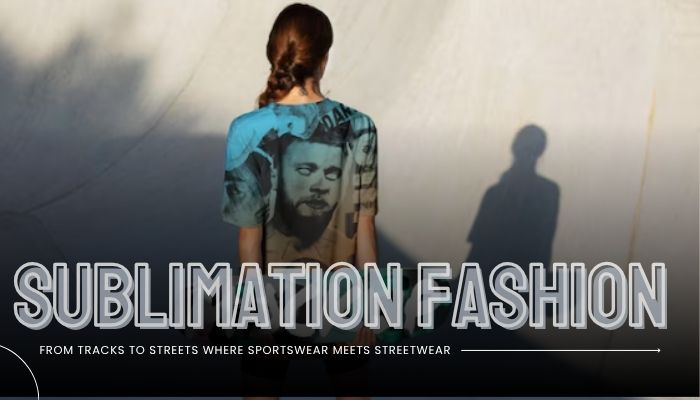
Sublimation goes beyond style and addresses one of the biggest challenges of the fashion industry at the moment – sustainability. Traditional dyeing and printing techniques often involve excess inventory, harsh chemicals and water wastage. On the other hand, sublimation printing is a waterless process. It reduces environmental impact significantly.
This is a digital printing technique, compatible with print-on-demand systems. Naturally, it is able to minimize material wastage and overproduction risks. As a retailer, you can produce exactly what you need, when you need and avoid the wasteful, expensive practice of mass manufacturing that might result in unsold stock for you.
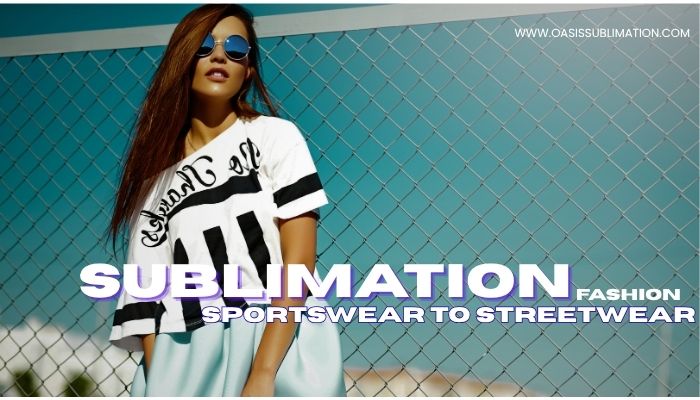
Sublimation is pushing visual boundaries in the streetwear domain. You can find seamless edge-to-edge coverage, vibrant all-over prints and of course – the print-and-cut approach, where printing can be done on fabric before cutting and sewing. It ensures precision and does away with imperfections, resulting in a polished, professional finish.
It also supports the limited-edition culture, which is integral to streetwear marketing. With fast turnaround times and short production runs, brands can drop exclusive collections that can sell out fast -fueling brand engagement and excitement.
Sublimation printing reflects the spirit of streetwear itself in many ways – expressive, innovative and evolving constantly. Ultimately, it is not only a printing technique; it is a business model that can support your customization efforts, creativity and conscious production habits. As a smart retailer, now is your time to invest in this method that is reshaping the fashion landscape.